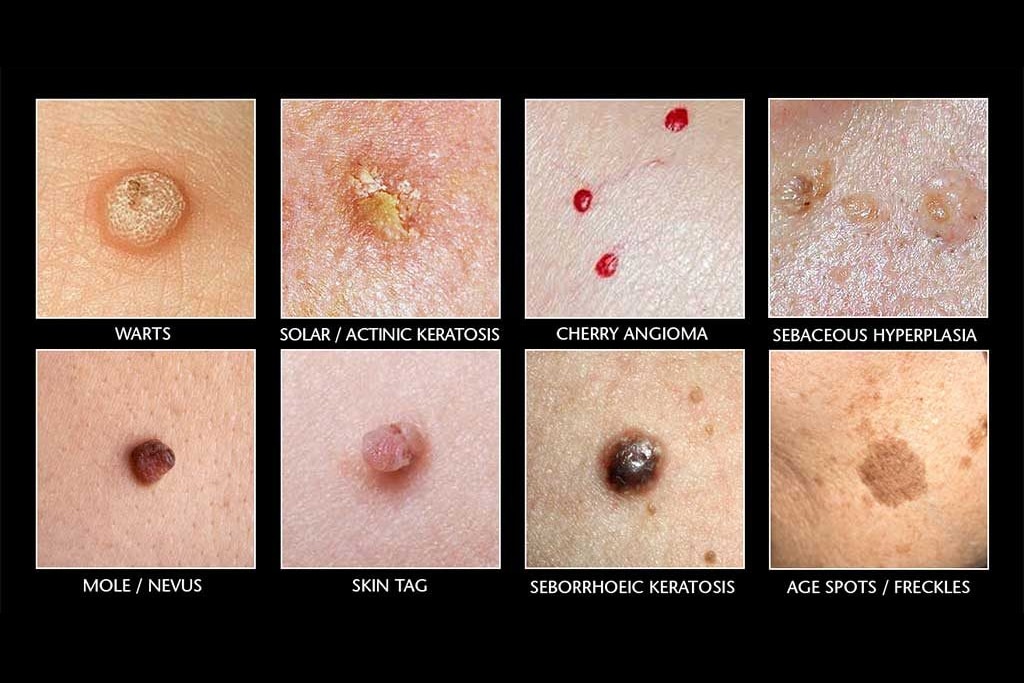
Are Mole And Skin Tag Removers Risk-free? Seborrheic keratoses are very common benign skin growths that often can be mistaken for moles. These sores commonly appear in multiples and can take place on the face, scalp, abdomen, back and legs. They are normally brownish in color, however can be several shades of tan, black, brown or even flesh tinted. In unusual instances, a sudden onset of numerous seborrheic keratoses can be a reason for problem, yet the sores themselves are entirely benign. Securing your skin from the sunlight is vital for avoiding skin cancer cells and minimizing the threat of developing atypical moles. According to the AADA or American Academy of Dermatology Association, some growths may appear like skin tags yet can be protuberances or skin cancer cells. Getting rid of a malignant development could cause it to spread and create even more damage. Therefore, avoid treating it in the house and sign in with your medical professional as early as feasible. Skin tag elimination is usually because of aesthetic reasons as they are harmless. Nevertheless, they might aggravate if they rub against the skin, fashion jewelry, Cosmetic skin correction or garments frequently.
What does a cancerous skin tag feel like?
Skin Tags: These growths normally have a smooth and soft appearance. Skin Cancer Cells Growth: Skin cancer cells lesions might exhibit irregular borders, crookedness, and an altering texture, which can include areas that really feel harsh or flaky.
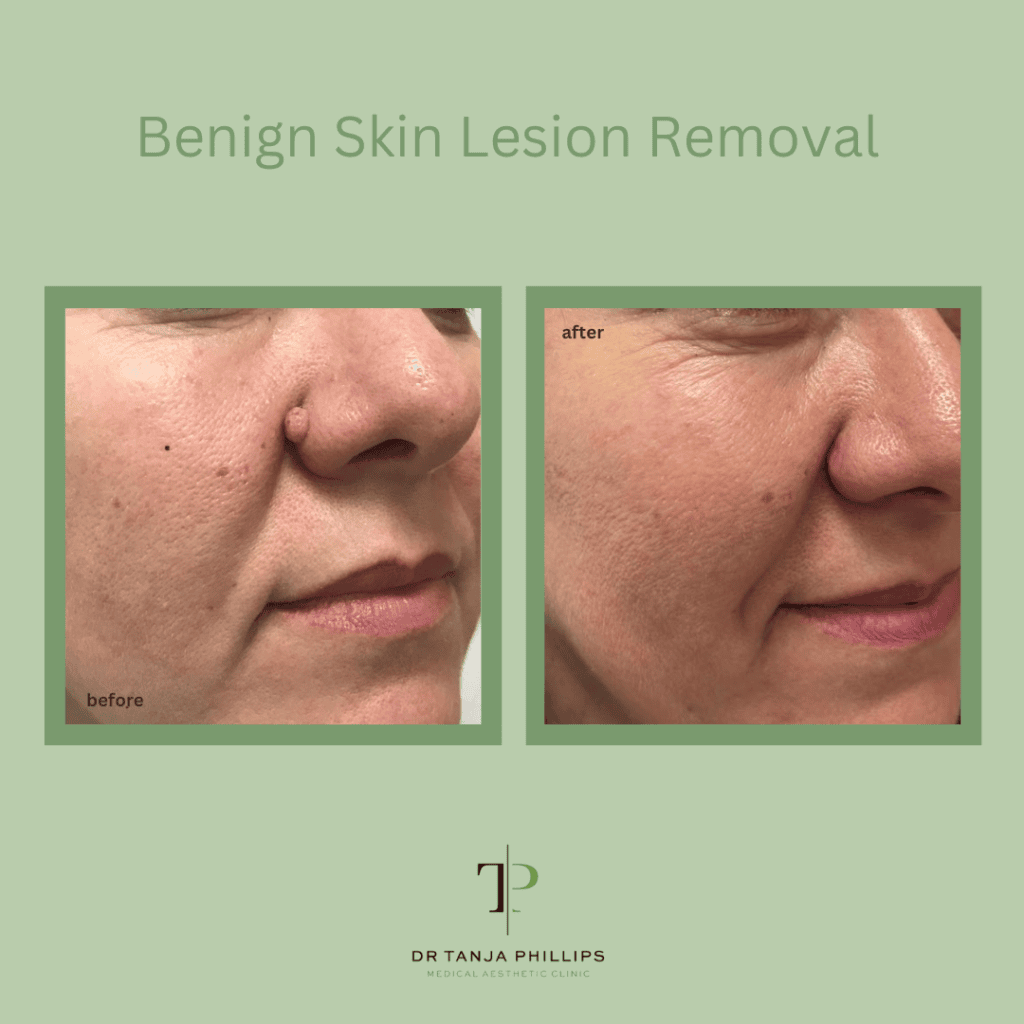
Skin Tags
On the whole, skin tags may look like a problem that you need to eliminate as soon as possible. Yet in some cases removal is not worth the risk, and if it is needed, we suggest consulting your healthcare specialist. While skin tags are normally harmless, they can trigger inflammation if caught on clothes or jewelry. If a skin tag ends up being excruciating, proliferates, or adjustments in look, it deserves having a skin specialist check it out. Skin tags are little, brownish or flesh-colored bumps that usually establish in areas where skin massages against skin, like the neck, armpits, and groin. Those taking into consideration mole removal ought to first locate a qualified skin doctor to perform the treatment. Nonetheless, most of moles are benign (non-cancerous) and position no hazard to one's health. To identify if a mole is cancerous, a tiny section is taken a look at through a biopsy or microscope evaluation. This item of tissue is usually examined at a pathology lab.- It is typical for lesions to grow in size as the child grows.Some, such as hemangiomas, will establish several weeks later.At Cleveland Center, our expert and caring dermatology team will certainly make sure they're healthy and strong.Blemishes, moles, and skin tags each have distinct attributes that can help distinguish between them.
What Can I Do To Avoid Future Skin Tags?
There are several options readily available including laser treatments, topical whitening creams, and surgical elimination. It is best to consult with your skincare carrier on the Skin tag cryotherapy medical diagnosis and monitoring of your condition. Skin tags are very usual and generally occur after midlife. They generally include fat cells, afferent neuron, ducts, and fibers, along with a covering. Unless they get on a prominent part of your body, they typically go unnoticed. In many cases, they may fall or rub off painlessly, and in some cases, they might rupture under pressure. If you discover any of these indications, seek advice from a skin specialist, as they could be early indicators of cancer malignancy, a kind of skin cancer. If in analyzing your mole( s) you locate any one of the above to be true after that it is essential to have it examined by a certified expert such as a physician or skin doctor. Capturing signs and symptoms early is essential to successful therapy for moles that are cancerous. There are several different sorts of treatment choices when caught early as well, including Mohs Surgery, which you can find out more concerning right here.Blemishes Vs Moles Vs Skin Tags: What's The Difference?
Moles are developments that can appear anywhere on the skin and are typically brown or black in shade. The majority of moles show up in very early childhood and during the first 25 years of a person's life. As the years pass, moles generally alter slowly, coming to be elevated and/or changing color. Some moles might not transform in all, while others may slowly vanish with time.